
Top Signs of a Financial Scam and How to Protect Yourself


Recognizing Common Signs of a Financial Scam
In today's digital age, financial scams are becoming increasingly sophisticated. It's crucial to be aware of the typical signs that may indicate a scam. By recognizing these indicators, you can protect yourself from potential financial harm.
One of the most common signs of a financial scam is receiving unsolicited communication. Whether it's an unexpected phone call, email, or message on social media, be cautious when contacted out of the blue, especially if the offer seems too good to be true.
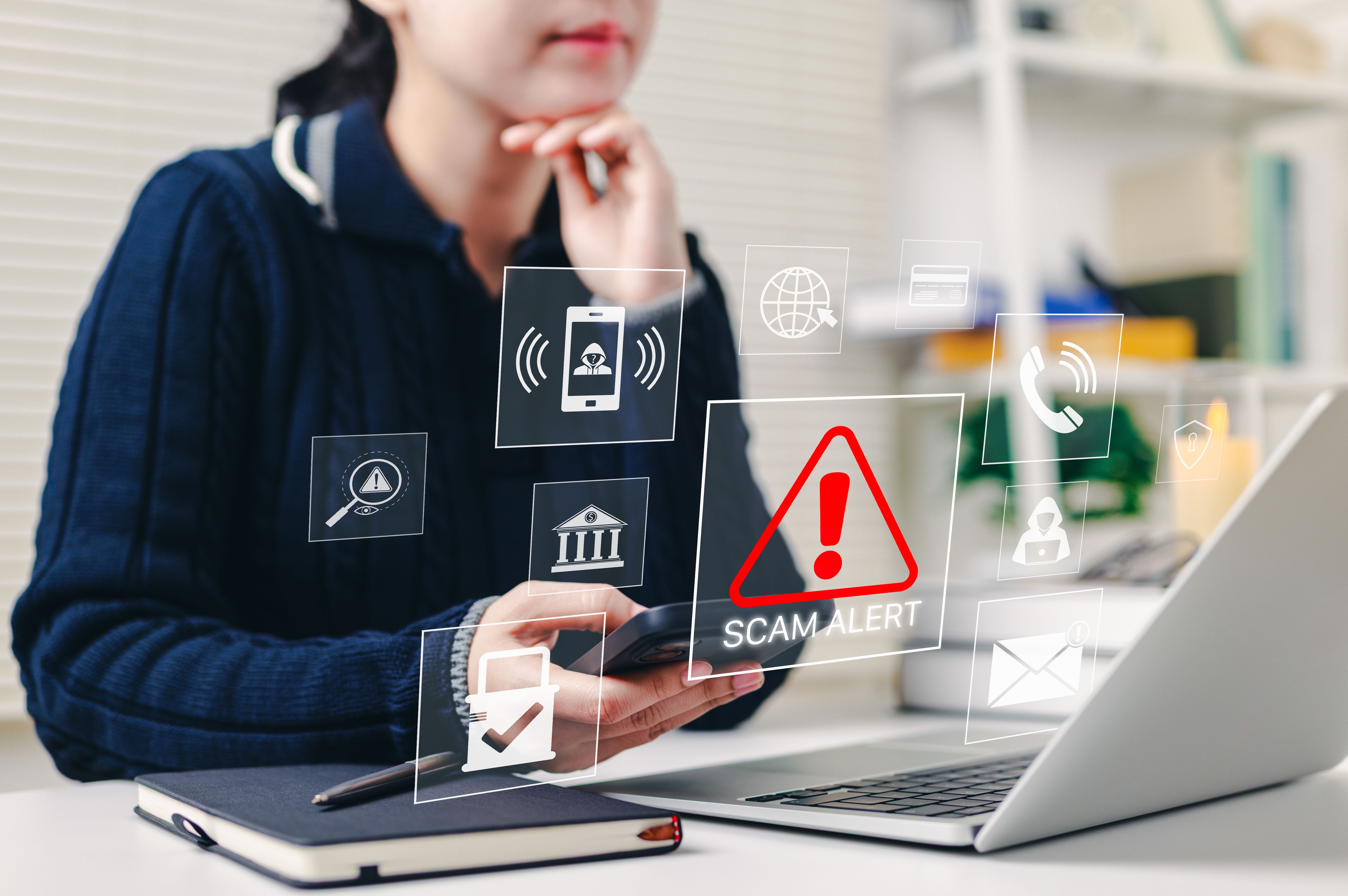
Another red flag is pressure to act quickly. Scammers often create a sense of urgency to prevent you from thinking through your decision. If you're being rushed to make a decision, it's a strong indicator that you should be wary.
Identifying Phishing Attempts
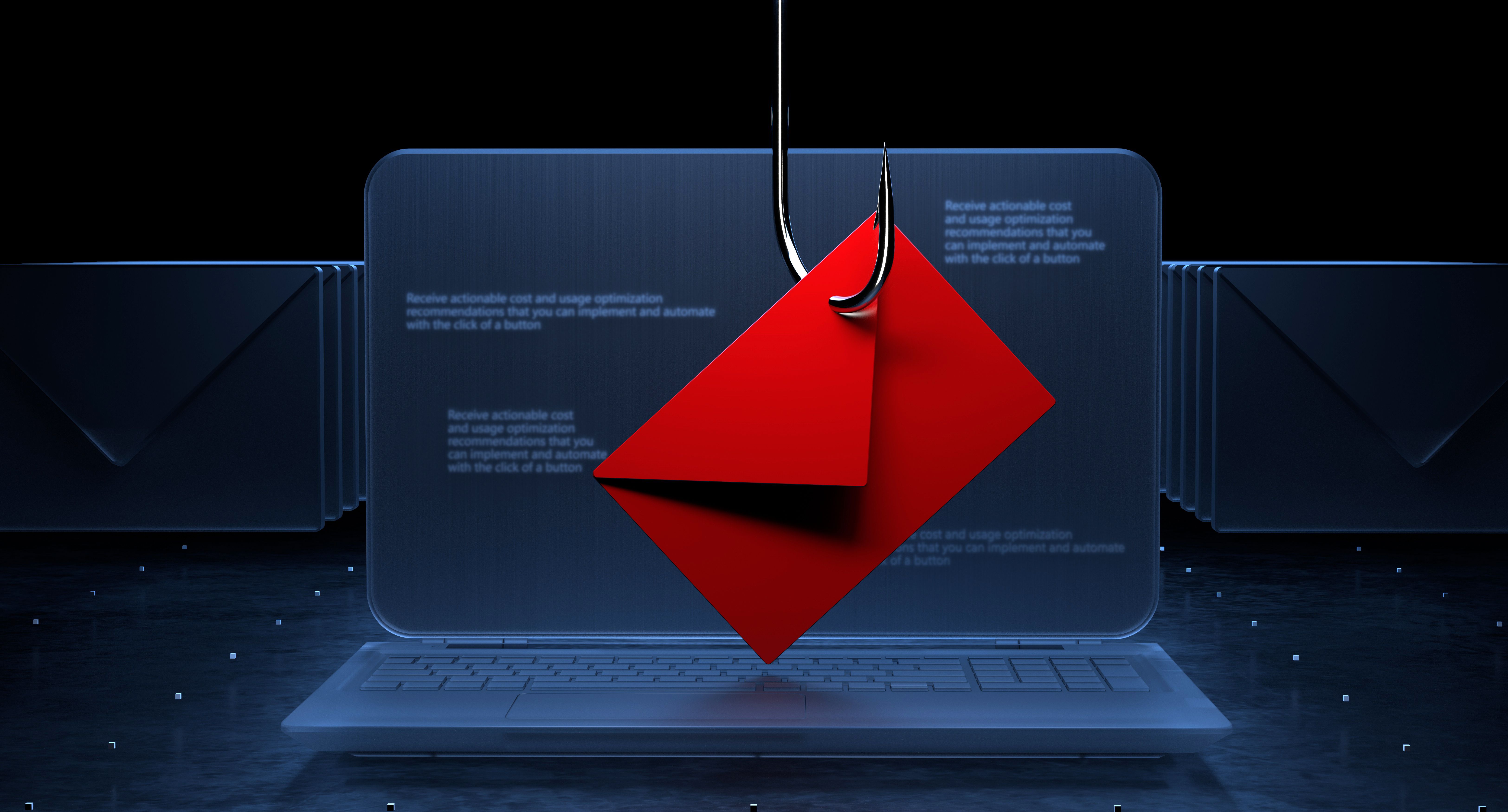
Phishing is a tactic used by scammers to obtain sensitive information by pretending to be a trustworthy source. Be on the lookout for suspicious emails or messages that ask you to click on a link or provide personal details. Always verify the sender's information before responding.
Additionally, pay attention to the email's grammar and spelling. Many scams originate from non-native speakers and may contain obvious errors. If the communication seems unprofessional, it's likely a scam.
Recognizing Fake Websites
Scammers often create fake websites that closely resemble legitimate ones. Before entering any personal information, check the website's URL for any discrepancies. A secure site should begin with "https://" and have a padlock icon next to the address bar.
Also, be wary of websites with deals that seem too good to be true. These sites may be designed to capture your payment information without delivering the promised product or service.
How to Protect Yourself
To protect yourself from financial scams, it's essential to stay informed and cautious. Here are some practical steps you can take:
- Educate yourself: Regularly update your knowledge on common scams and how they operate.
- Use strong passwords: Ensure your online accounts are protected with strong, unique passwords.
- Verify sources: Always confirm the authenticity of a source before providing any information.

Additionally, consider using two-factor authentication (2FA) for an extra layer of security. This can help prevent unauthorized access to your accounts even if your password is compromised.
Finally, trust your instincts. If something feels off, it's better to err on the side of caution. Report any suspicious activity to the relevant authorities and inform others to help prevent them from falling victim to scams.