
Understanding Blockchain Scam Recovery: What You Need to Know


What is Blockchain Scam Recovery?
Blockchain technology is celebrated for its security and transparency, yet it is not immune to scams. As digital currencies and blockchain applications continue to grow, so do the schemes designed to exploit them. Scam recovery in the blockchain world refers to the process of retrieving lost or stolen assets due to fraudulent activities.
Understanding the nuances of blockchain scams and recovery methods is essential for protecting your investments. While the decentralized nature of blockchain makes recovery complex, there are strategies and services dedicated to helping victims.
How Scams Happen
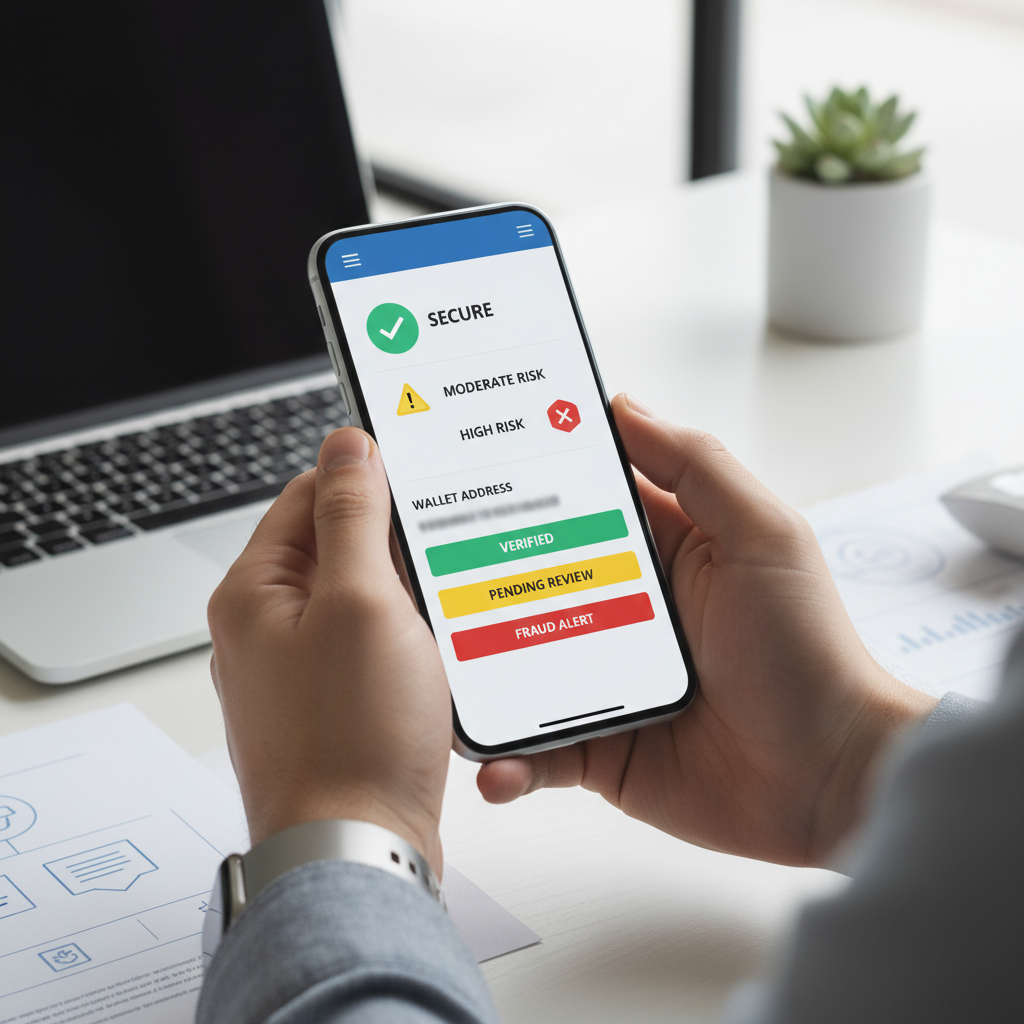
Scams in the blockchain space can take many forms. Common tactics include phishing attacks, Ponzi schemes, and fraudulent ICOs (Initial Coin Offerings). These scams often promise high returns or exclusive access to new technologies to lure unsuspecting investors.
Phishing attacks, in particular, are prevalent. Scammers may use fake websites or emails to trick users into revealing their private keys or account details. Once access is gained, assets can be swiftly transferred and lost.
Identifying a Scam
Being able to identify a scam is the first step in preventing loss. Look for red flags such as unrealistic promises, pressure to act quickly, and lack of verifiable information. Always conduct thorough research on any investment opportunity.

Steps for Scam Recovery
If you fall victim to a blockchain scam, swift action is vital. Here are some steps you can take:
- Document Everything: Keep records of all communications and transactions related to the scam.
- Report the Scam: Inform relevant authorities and platforms about the fraudulent activity.
- Seek Professional Help: Consider hiring professionals who specialize in blockchain forensics and recovery.
Using Blockchain Forensics
Blockchain forensics involves analyzing blockchain transactions to trace and recover stolen assets. These professionals use advanced tools to follow the money trail and identify the recipients of stolen funds. While recovery is not guaranteed, these efforts can sometimes lead to asset retrieval or legal action.

Preventative Measures
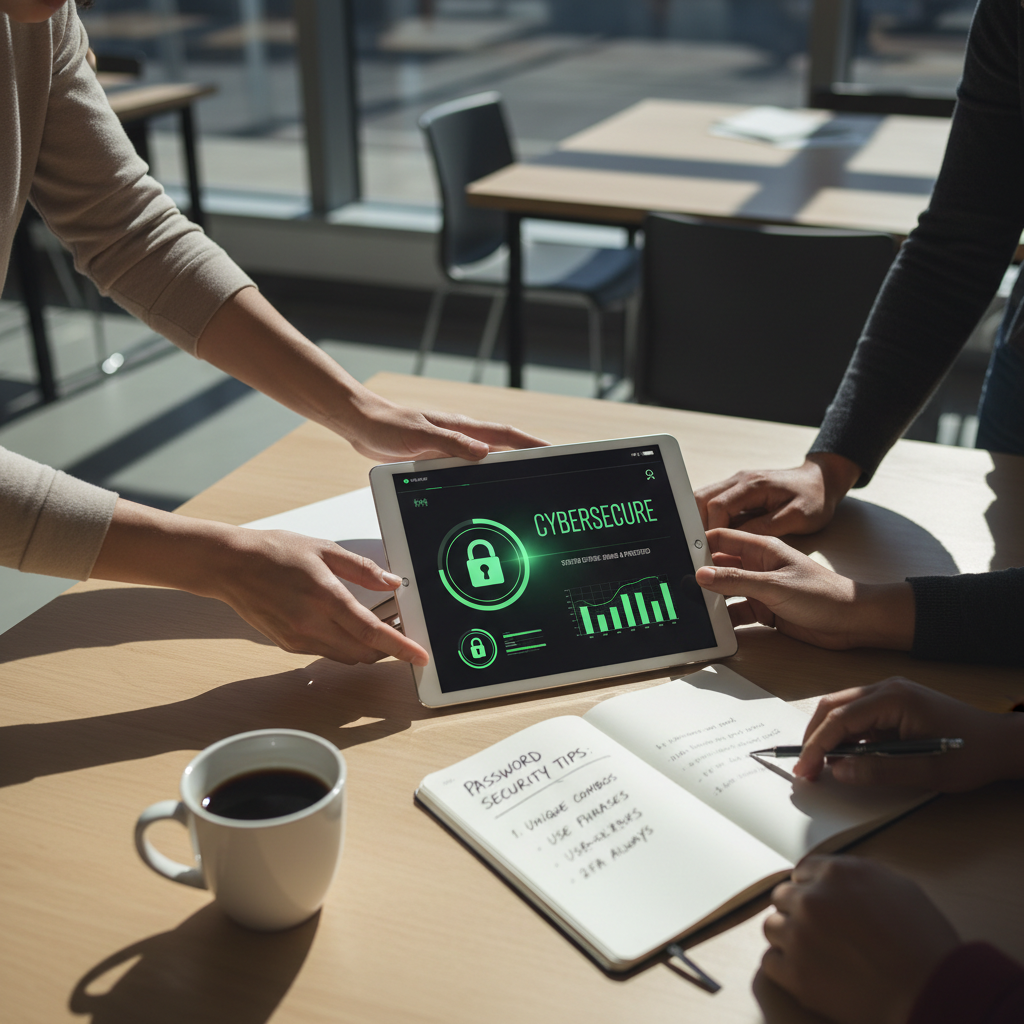
Prevention is always better than cure. To safeguard yourself from blockchain scams, implement strong security measures. Use hardware wallets for storing cryptocurrencies, enable two-factor authentication, and remain vigilant about suspicious activities.
Staying informed about the latest scams and security practices can also help you avoid potential traps. Regularly update your knowledge and share information within your community to foster a culture of awareness.
The Role of Education
Education plays a crucial role in reducing the impact of scams. By understanding how blockchain technology works and recognizing the signs of fraud, you can make informed decisions. Many organizations offer resources and training to help individuals and businesses protect themselves.
Conclusion
Blockchain scam recovery is a challenging but essential aspect of navigating the digital currency landscape. While the risk of falling victim to scams is real, understanding how they operate and knowing the steps for recovery can mitigate losses.
Ultimately, a proactive approach combining education, vigilance, and professional assistance will best equip you to handle and prevent blockchain-related scams.